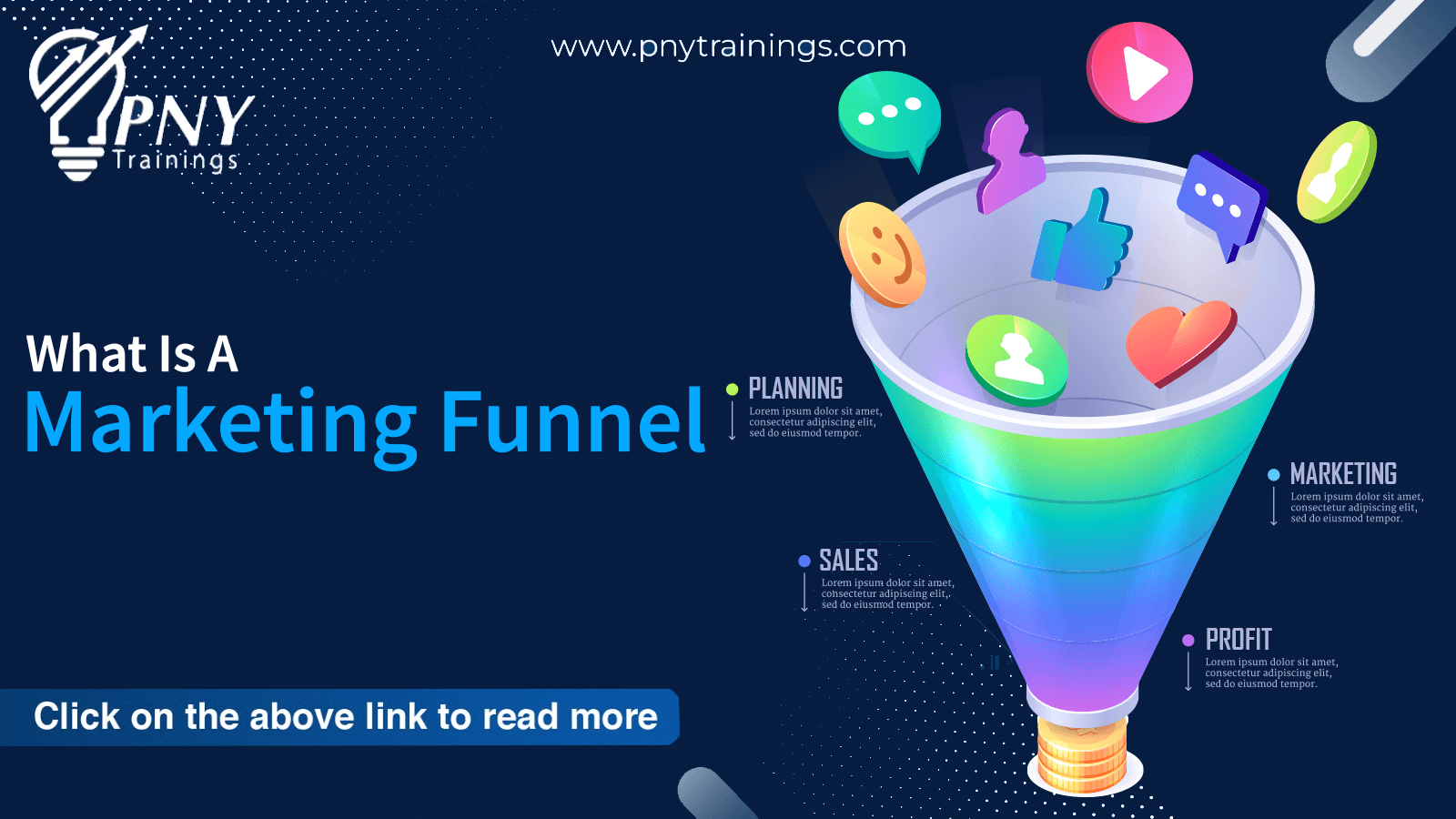
What Is a Marketing Funnel?
The marketing funnel is the framework that provides the model of your customer journey and how customers go through the buying stages. With certainty, customer journeys are diverse and multifaceted. However, the marketing funnel delivers a streamlined outline for marketers.
You can practice it at:
• Comprehend your spectators and modify your method accordingly.
• Classify and state flaws in the client voyage.
• Contextualize your advertising outcome.
The spectators restrict as you change down the funnel, and once you grow to the bottom, you have customers who are most likely to adapt and, preferably, convert faithful consumers.
Why Are Marketing Funnels Important?
However, the client journey might not be as right as the basic one uttered in the marketing funnel, but the idea is quite significant. The numerical track to acquisition is whatever but direct, and the digital marketing funnel financial records show in detail that customers arrive, withdraw, and change everywhere in the funnel, and their spending isn’t limited to a single stock or physical area.
With clients’ capability to work wherever at any time, brands must contemplate in what way they can spread them at all phases of the customer expedition. The thought process in the digital marketing funnel, unaccompanied, can include widespread investigation and assessment online by customers and is no longer limited to associating goods in-store. Numerous brands have accustomed to this different way of doing business and have taken advantage of this less direct path to acquisition by involving consumers in reliable and valued ways through the funnel.
Stages of the Marketing Funnel
There is the following version of the marketing funnel to connect your customer with you and connect the dots between channels, tactics, and content that drives more attention: It includes;
• Awareness
Brand consciousness is knowledge of a brand, which might contain information on its designation, messaging, quality and style, standards, and beliefs. Brand mindfulness begins with customer investigation and includes enticing customers to a brand and helping them identify and recall it. The aim is to save the brand's topmost attention by engaging applicable client hint opinions along the track to acquisition.
To determine mindfulness, brands need to grow in the minds of customers, wherever they are. This might comprise TV together with direct and streaming TV, digital promotion, audio advertisements, social media movements, gratified marketing, and more.
The goal after the consciousness stage is for your brand to stay at the forefront of attention for consumers so that once the time comes for them to make an acquisition, they will reason for you.
• Consideration
The objective of thought advertising is to increase the probability that customers will think through a brand and its goods when spending. Advertising posts should discourse a discomforting opinion, draw attention, or respond to an inquiry from customers. At this phase, customs are demanding that a brand be distinguished and determine what distinguishes it from comparable brands. Brands must instruct and notify consumers in the concerning stage to assist them in comprehending in what way your product or result meets their needs.
• Conversion
The adaptation phase aims to inspire customers to buy a product or service since they have faith that the brand they’ve selected is the correct explanation for difficult situations or encounters with their needs. Also mentioned as the choice or buying phase, this stage is a brand’s chance to capitalize on an approach that assists them in positioning themselves in their group and distinguishing themselves from peer goods. This segment is everywhere a well throughout the website product is significant, along with generating an excellent client service practice to stimulate client self-assurance in their procurement results.
Variation can be a moderately informal phase of the funnel since you can frequently direct pathways that are on the same wavelength directly to an acquisition. Though it's significant to summon up that client connections in the preceding two phases in a straight line affect whether clients eventually adapt,
• Loyalty
Brands can stand in faithfulness by giving a unified acquisition practice and bringing an excellent product or service. By ensuing up-and-about development networks with customers after the acquisition, brands can stay at the top of their customer’s minds. Positive connections throughout and afterward the acquisition phase can have an impact on whether a customer develops a recurrence client.
Deprived of a strategy for the development of consumer faithfulness, marketers might discover that numerous consumers make sole acquisitions and exchanges. As usual, it costs a product five times more to obtain a new client than to recall an existing one, which is why some dealers also request this stage of the arrangement phase. To form faithfulness, it’s important to endure pleasing consumers who have capitalized on your brand’s products or services.
Sum Up
Developing your business with an influential marketing strategy is always a dream of every business so that they can grow according to their customer’s desires and earn their trust, which helps them grow further. There are many means to assist your business in developing, but one of the most influential tools that you can use is an actual marketing policy. These phases can help you develop an approach that brings out the best in your company.