Supply Chain Management System
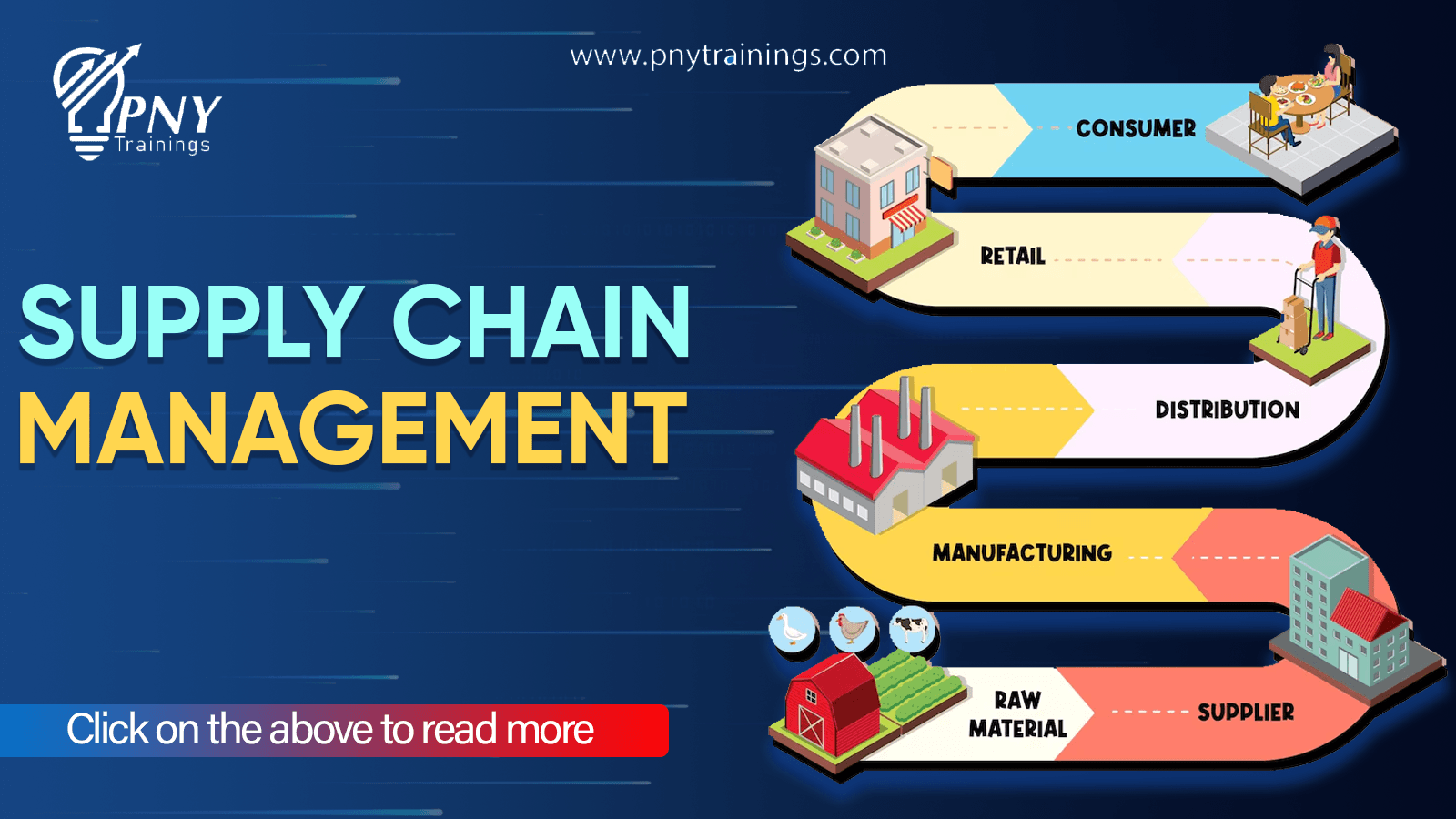
Supply chain management (SCM) deals with the flow of goods, products, data, and finances from one place to another. It deals with the coordination and optimization of the exchange of services. It involves overseeing the whole product from its manufacturing till it becomes a final product and reaches the user end. Key components of supply chain management include procurement, production, distribution, inventory management, logistics, and coordination among various stakeholders such as suppliers, manufacturers, wholesalers, retailers, and customers. There are possibly five steps of supply chain management such as planning, sourcing, making original products, delivering them, and then returning.
The goal of supply chain management is to enhance efficiency, reduce costs, minimize disruptions, and improve customer satisfaction through effective coordination and collaboration across the entire supply chain network.
Benefits of Supply Chain Management System
It is a connected system of organizations to deal with the manufacturing and the supply of the product. It offers various advantages such as:
Cost-Effectiveness
The process of chain supply management is the most cost-effective method as its efficient management of the supply chain can lead to cost savings through optimized inventory levels, streamlined processes, and reduced transportation expenses.
Improved Efficiency
Organizations will be able to improve operational efficiency, lessen waste, and enhance productivity by managing and synchronizing various supply activities among various organizations.
Customer Services
With the timely and qualitative delivery of the product, one can lead towards customer satisfaction and loyalty.
It is one of the most important points for effective SCM.
Enhanced Visibility
Implementing supply chain management systems provides greater visibility into inventory levels, production processes, and distribution networks, allowing organizations to make informed decisions and respond quickly to changes in demand or market conditions.
Competitive Advantage
Effective supply chain management encourages innovation and enables organizations to respond quickly to market trends, customer preferences, and emerging technologies, thereby gaining a competitive edge in the marketplace.
Competitive Edge
Effective supply chain management encourages innovation and enables organizations to respond quickly to market trends, customer preferences, and emerging technologies, thereby gaining a competitive edge in the marketplace.
Partnership and Collaboration
Building a strong relationship with suppliers, distributors, and other stakeholders will lead to improved collaboration and enable the organizations to share resources, knowledge, and expertise for mutual benefit.
Marketing
Marketing refers to the process of promoting your product or services by communicating with its target audience and making them convinced to buy your product or services. Marketing is the most common method that is used by businesses to sell products and make people stick to them. In this procedure, the most effective method of communication is utilized to get a desired action.
Marketing involves a range of activities including market research, product development, branding, advertising, public relations, sales, and customer relationship management. The basic purpose of marketing is to create awareness, generate the interest of the audience, make them buy your products, and build a long-term relationship to achieve organizational objectives.
There are various types of marketing including the following:
Digital Marketing
In this marketing, the product is promoted through a diverse range of online platforms such as websites, social media, email, search engines, and mobile apps to reach and engage with customers.
Content Marketing
It involves using engaging and relevant content to make your customer take action. Creating the content is the foremost element of marketing.
Social Media Marketing
In social media marketing, one utilizes Facebook, Instagram, Snapchat, TikTok, and other famous platforms to let people know about their services or products. Every platform has its own marketing standard. A diverse array of strategies are involved for different platforms.
Influencer Marketing
Influencers are the people on social media platform who has a large following and are always recognized as trendsetters. In this type of marketing, people approach influencers to use their products share reviews with people, and make them buy the product ultimately.
Email Marketing
Email marketing deals with sending targeted emails to prospects or customers to nurture relationships, promote products, announce offers, or provide valuable content.
Search Engine Marketing (SEM)
In this type of marketing, your product or service-related ads have been shown by websites or search engines such as Google, Bing, and others to increase visibility and drive traffic to websites through paid search ads (PPC) and search engine optimization (SEO).
Offline Marketing
It involves traditional marketing methods such as print advertising, direct mail, TV and radio ads, billboards, and events to reach target audiences.
Benefits
Marketing offers various advantages that will generate sales and then ultimately make growth in business.
Increased Sales
Using effective marketing strategies can engage an audience on a large scale, increase sales, and persuade them to make purchases, ultimately driving sales revenue for the business.
Enhanced Brand Awareness
It involves marketing efforts such as advertising, social media, and content creation to help increase the visibility and awareness of the brand among target audiences, making it more recognizable and memorable.
Competitive Engagement
Marketing enables businesses to differentiate themselves from competitors by highlighting unique selling propositions, strengths, and benefits of their products or services, thereby gaining a competitive edge in the market.
Product Innovation and Improvement
Marketing research and feedback from customers enable businesses to identify market trends, consumer preferences, and areas for improvement, leading to the development of innovative products or enhancements to existing ones.
Difference between Supply Chain Management and Marketing
Supply Chain Management and Marketing are distinct but some of the features are interlinked and complementary. Effective coordination and collaboration between SCM and marketing departments are essential to ensure seamless operations, optimize customer satisfaction, and drive overall business success.
Supply Chain Management
Marketing
Deals with the management and coordination related to the sourcing, procurement, production, and distribution of goods or services
Encompasses the strategies and activities aimed at promoting products, services, or ideas to target audiences.
Focus on optimizing the operations within the supply chain
Marketing focuses on understanding customer needs and preferences and developing products or services that meet those needs
SCM activities include sourcing raw materials, managing supplier relationships, production planning, inventory management, order fulfillment, logistics, and transportation, warehousing, and distribution.
Marketing activities encompass market research, product development, branding, advertising, promotion, pricing strategies, sales management, customer relationship management, and market segmentation.
SCM often involves long-term planning and strategic decision-making to optimize the entire supply chain network.
Marketing activities can vary in time horizon, ranging from long-term strategic planning to short-term tactical campaigns.